No lifting. No panic. Just dignity, safety, and speed. Introduction: The Problem with Transfers In…

Are Your Means of Escape Still Fit for Purpose?
Why outdated assumptions could be putting your people – and your organisation – at risk.
Introduction: Not All Escape Routes Are Equal
For many buildings, the “Means of Escape” (MOE) hasn’t changed in years. It might be listed in a fire risk assessment, included in a PEEP, or reviewed during an annual audit. But the reality on the ground often looks very different.
At Evaccess, we regularly work with Facilities Managers who think their escape strategy is compliant – until we test it. And what we find is all too common: outdated equipment, incomplete plans, and a false sense of security.
In a world of rising incident rates and tighter regulations, MOEs must evolve. If they don’t, they stop being routes to safety – and start becoming liabilities.
The Problem: Legacy Thinking in a Changing World
The traditional approach assumes:
- Most people can walk or be guided out
- Staff will be available to assist
- A single evacuation chair will “do the job”
- Drills will go smoothly
But that doesn’t reflect today’s challenges:
- Increasing numbers of occupants with reduced or temporary mobility
- Reduced staffing levels in buildings
- Complex building layouts (multi-use, mixed floor types, varied access points)
- Power failures, stairwell congestion, and panic in real evacuations
If your MOE only works in a perfect scenario, it’s not fit for purpose.
Common Failures We See
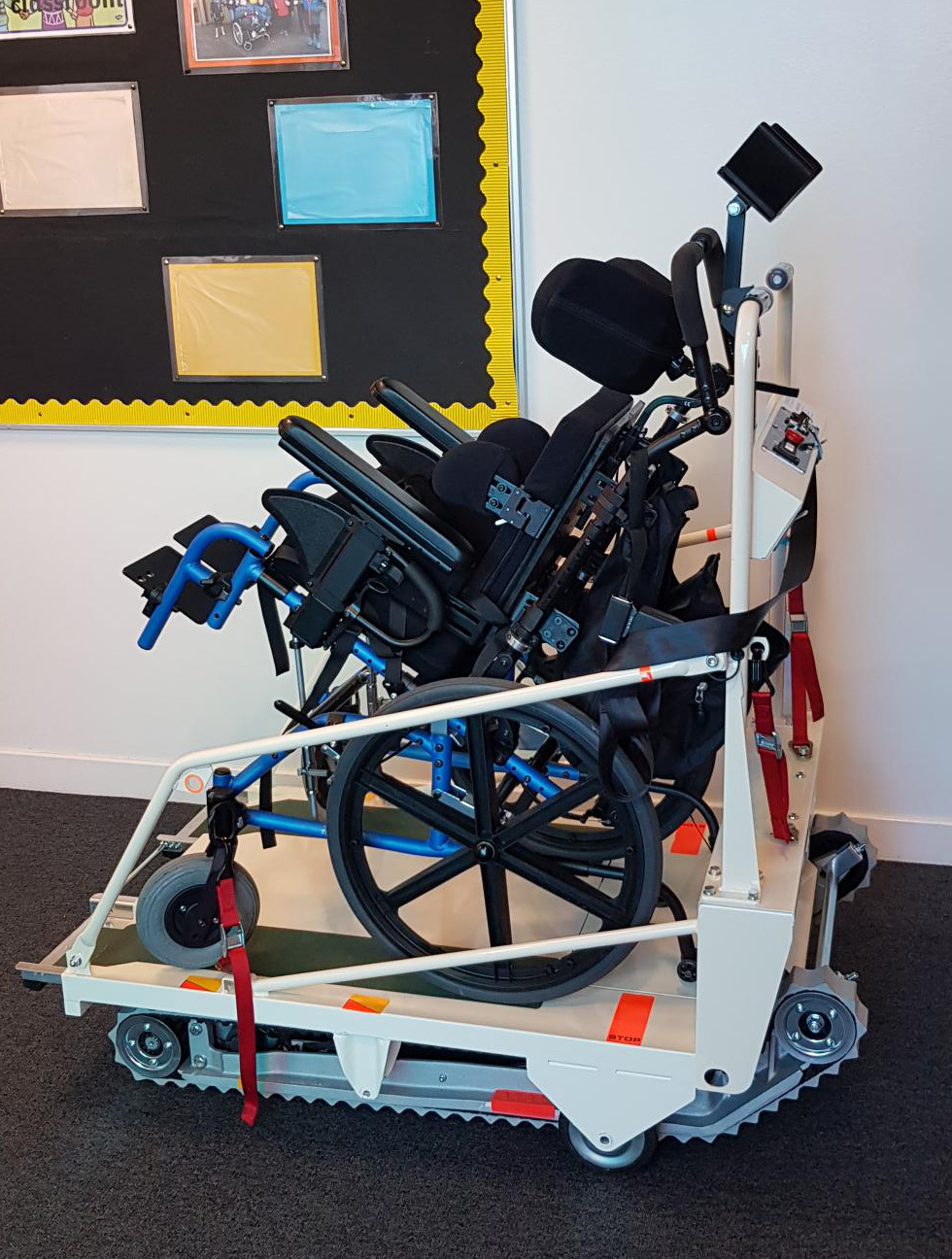
- Evacuation chairs that require transfers and only travel downwards – unsuitable for tight stairs or routes that involve going up to reach safety.
- No powered or transfer-free options, making evacuation slower and riskier
- No regular drills or training for new staff or evolving building use
- MOEs designed around able-bodied occupants only
What Makes an MOE Truly Fit for Purpose?
A modern, inclusive, and legally compliant MOE must be:
- Accessible
- Can every individual – regardless of ability – evacuate safely?
- Are solutions inclusive of wheelchair users, temporary injuries, pregnancy, and fatigue?
- Practical
- Is the equipment operable by current staff under pressure?
- Does the evacuation route actually reflect the building’s layout and risk profile?
- Auditable
- Can you show regulators, insurers, or leadership that your evacuation strategy has been tested, documented, and maintained?
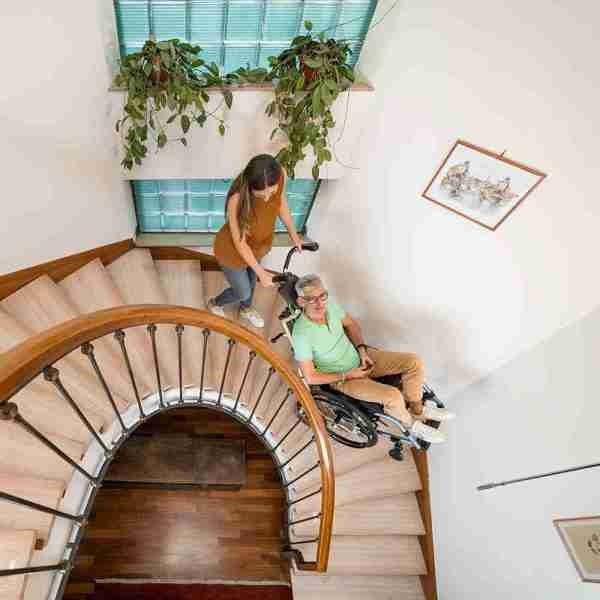
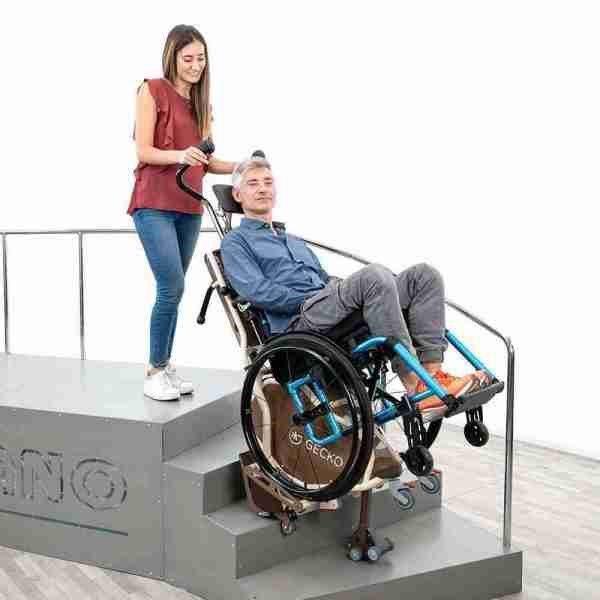
- Transfer-Free (Where Possible)
- Can users remain in their own wheelchair or seat?
- Does the solution preserve dignity, reduce staff risk, and comply with modern standards?
The Evaccess Approach
We offer full site-specific MOE audits that go beyond checklists.
Our assessments look at:
- Your current evacuation equipment
- Building layout, stair geometry, and occupancy needs
- Staff capabilities and current knowledge gaps
- Time-to-evacuate metrics and route accessibility
We then recommend:
- Transfer-free, powered solutions (e.g. Super-Trac TRE-70, LG2004 T-Lift)
- Floor-specific deployment strategies
- Staff training and evacuation simulations
- Compliance reporting and review frameworks
Final Thought
If your current MOE assumes the best-case scenario, it’s time to ask the hard question:
Is it truly fit for purpose – or just familiar?
Modern building safety demands modern solutions. Let’s make sure everyone can get out safely, no matter the conditions.
The Evaccess Commitment
Beyond providing evacuation equipment, Evaccess is dedicated to supporting organisations in meeting modern safety and accessibility standards. The team offers expert guidance, compliance support, and hands-on training to ensure that evacuation plans are practical, effective, and legally compliant.
The team offers expert guidance, compliance support, and hands-on training to ensure that evacuation plans are practical, effective, and legally compliant.
Call us for advice and information. 0121 444 3690
Get in. Get Out. Together.
Related Posts